
Article Outline
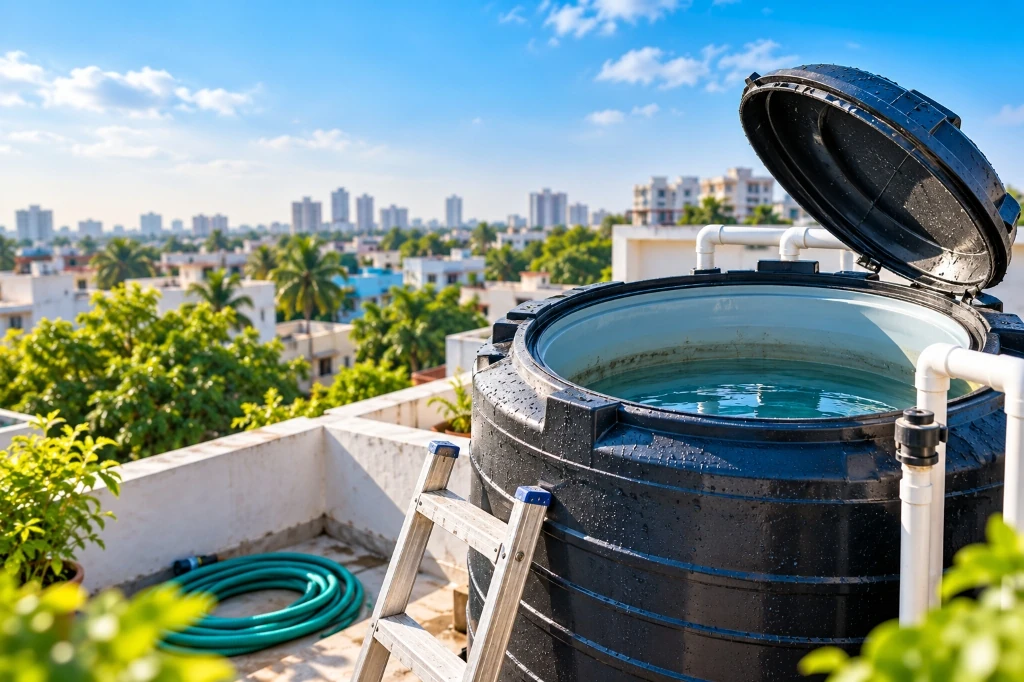
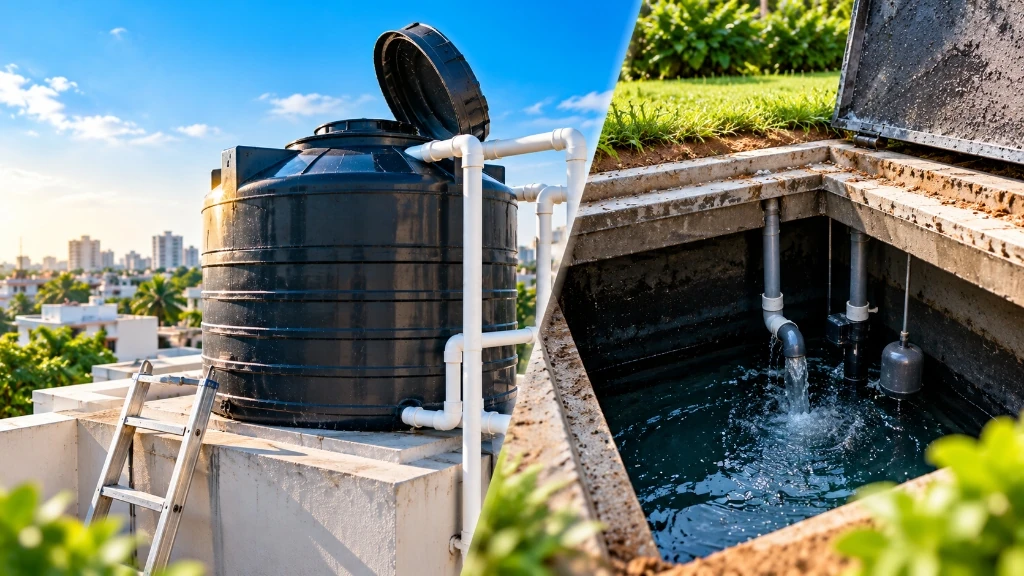
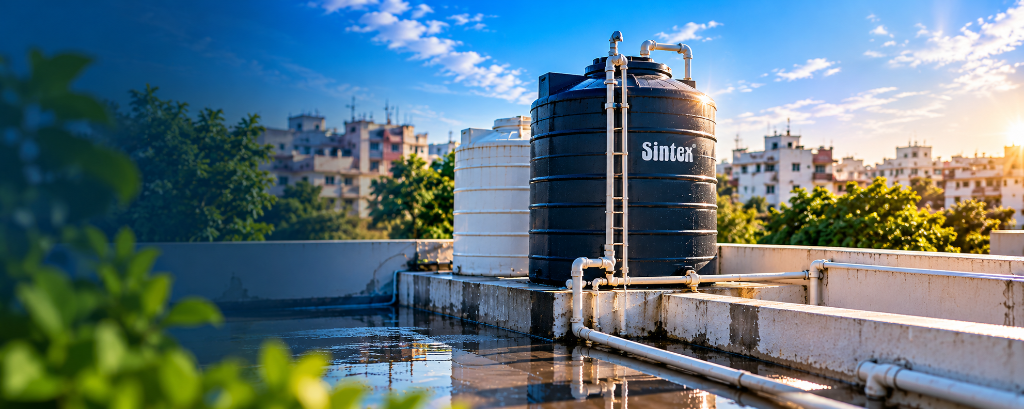
Water storage tanks and underground sumps are vital components of residential and commercial plumbing systems in Champapet and throughout the greater Hyderabad region. Because storage structures are typically positioned out of everyday sight—either high up on rooftops or hidden below ground levels—many property owners only evaluate their storage condition when a noticeable change occurs at the tap.
Understanding what causes internal accumulation, what warning signs to look out for, and how to approach maintenance helps keep your household or building utility water flowing reliably.
1. Visible Sediment and Silt Accumulation
One of the most frequent indicators that a tank requires physical cleaning is the presence of settled sediment at the bottom of the container.
Overhead tanks and underground sumps receive water from municipal pipelines, borewells, or private water tankers. Even treated municipal supply carries fine suspended particles, dissolved minerals, and seasonal sand. Over weeks and months of standing storage, gravity causes these heavier particles to settle onto the tank floor:
- Borewell supply: Often introduces sandy grit, reddish-brown iron traces, and heavy mineral sediment.
- Municipal supply: Can carry fine silt, especially following seasonal pipeline maintenance or monsoon line flushing.
- Tanker deliveries: May introduce varying levels of settled organic silt depending on source water conditions.
When water is pumped or drained, turbulence stirs this layer of bottom sludge, occasionally drawing it into outgoing distribution lines and causing grit at your aerators and showerheads.
2. Water Discolouration or Turbidity
If water flowing from your household taps looks brownish, yellowish, or slightly cloudy, the source could be your internal storage reservoir rather than the municipal main line.
To check whether the issue originates inside your property:
- Fill a clean glass beaker or white bucket directly from a tap supplied by your overhead tank.
- If the water displays a tinted shade or fine floating flecks, inspect the tank lid.
- Look inside using a powerful torch without leaning unsafely over the opening. If the tank walls show visible dark staining or the floor is coated in muddy silt, the reservoir is due for a thorough wash.
Important Note on Water Quality: While visible clarity is an essential starting point, appearance and smell alone cannot determine whether water is microbially or chemically safe to drink. Physical cleaning removes physical dirt, silt, and biofilm, but drinking water safety requires appropriate laboratory testing and household purification systems.
3. Unusual Odours from Storage
Clean domestic water should be virtually odourless. If you detect an earthy, musty, or stale smell when running bathroom taps or opening the tank inspection hatch, organic accumulation may have built up inside:
- Algae growth: Rooftop tanks exposed to intense direct sunlight—particularly translucent or unshaded plastic tanks—can experience microscopic algae development along interior walls.
- Stagnant bottom layers: Deep sumps that are rarely drained completely often retain an anaerobic lower layer where organic silt decomposes slowly.
- External ingress: Missing, cracked, or loose tank lids allow airborne dust, leaves, insects, or rainwater runoff to enter the reservoir.
An unusual odour is an immediate cue to check the physical seal of your tank lid and arrange a comprehensive cleanout.
4. Reduced Water Pressure and Clogged Fixtures
When bottom silt accumulates beyond the height of your outlet pipe connection, particulate matter enters your internal plumbing. Property owners frequently notice:
- Showerheads becoming clogged with fine grains of sand.
- Washing machine inlet filters requiring frequent unblocking.
- Faucet aerators collecting gritty residue every few weeks.
Clearing fixture filters only resolves the symptom temporarily. If the storage tank itself contains inches of silt, the pipework will continue to re-clog until the primary reservoir is drained, scrubbed, and flushed.
5. Maintenance History and Time Since Last Cleaning
Even when tap water appears clear, storage tanks continually accumulate microscopic deposits over time. A reliable indicator is simply the calendar:
- Seasonal transitions: Pre-monsoon and post-monsoon periods are natural checkpoints to inspect sumps and tanks.
- Overdue schedule: If your overhead tank or underground sump has not been inspected or cleaned in the past 6 to 12 months, scheduling a physical inspection is recommended.
- New tenancy or property purchase: Cleaning existing storage units prior to moving into a home ensures you start with a clean reservoir.
Next Steps for Champapet Property Owners
If you observe sediment at the bottom of your tank, discoloured water, or notice your cleaning schedule is overdue, contact Vijaya Water Tank Cleaning Services in Champapet.
When you call or send an enquiry, be ready to share your tank type (overhead plastic, concrete sump, or apartment tank) and approximate capacity so we can discuss the required cleaning scope and availability.
Need Professional Tank Cleaning in Champapet?
Vijaya Water Tank Cleaning Services handles overhead tanks, underground sumps, residential setups, and commercial properties across Champapet. Contact our team to discuss your capacity, site access, and schedule a cleaning visit.