Article Outline
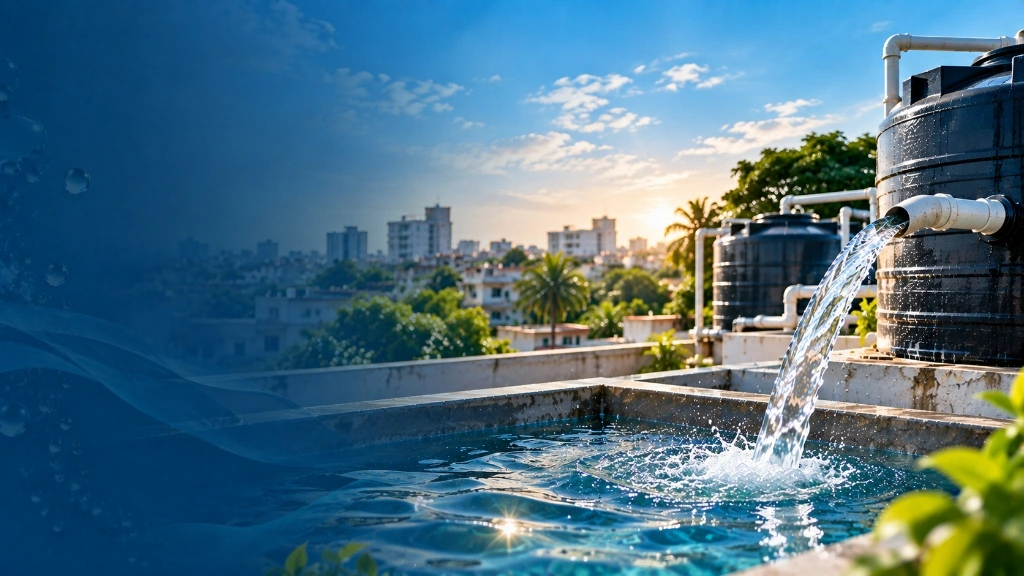
Most residential and commercial properties in urban Telangana rely on a two-stage water storage configuration: an underground sump that receives raw water from supply pipelines or tankers, and one or more rooftop overhead tanks that distribute pressurized water by gravity throughout the building.
While both structures hold domestic utility water, their physical positions, structural designs, and maintenance requirements differ significantly. Understanding these factors will help you prepare your property and ask the right questions when booking a cleaning service.
Structural Differences Between Sumps and Overhead Tanks
Understanding how each reservoir functions helps identify what kind of attention each structure needs:
1. Underground Sumps (Primary Intake)
- Position: Built below ground level, inside car parking areas, driveways, or building setbacks.
- Construction: Typically constructed from reinforced concrete cement (RCC), masonry bricks with waterproof plastering, or precast concrete chambers.
- Silt Behavior: Because sumps receive incoming water directly from the main supply lines, they collect the highest volume of dense mineral sand, soil, and gravel. Over time, a heavy layer of sludge forms along the floor.
- Drainage Challenge: Unlike elevated tanks, underground sumps cannot be drained purely by gravity. Discharging dirty wastewater requires submerged slurry extraction or portable dewatering pumps.
2. Overhead Rooftop Tanks (Distribution Unit)
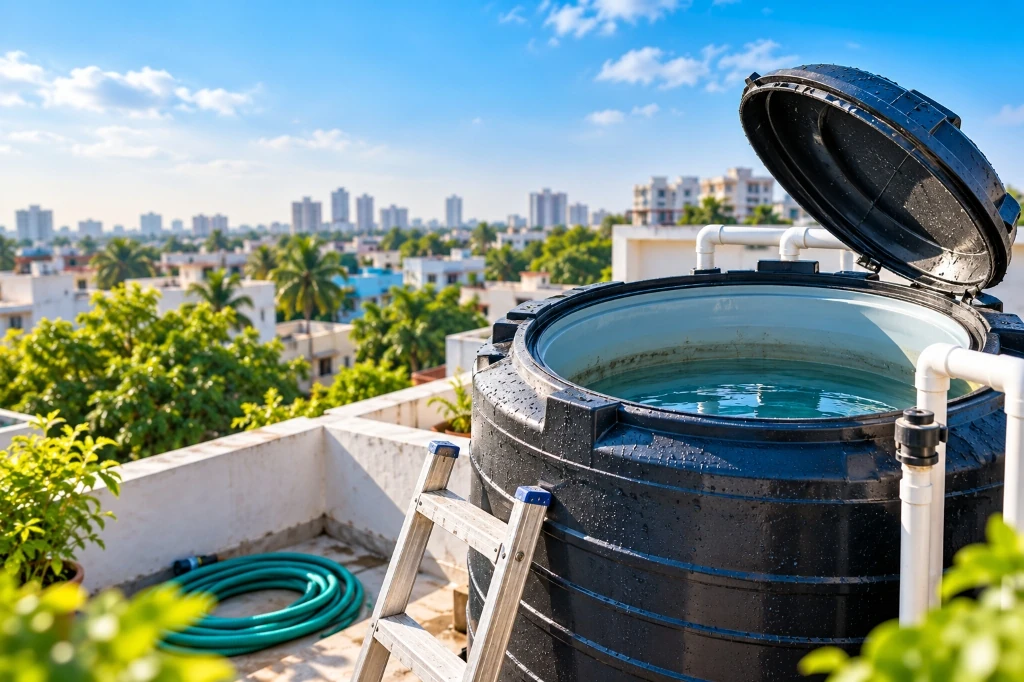
- Position: Elevated on rooftop slab platforms, parapet walls, or specialized steel staging towers.
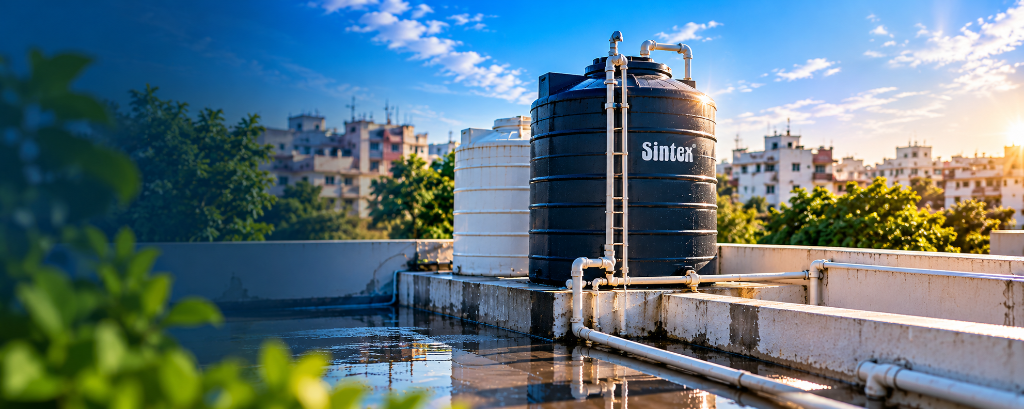
- Construction: Commonly molded polyethylene (such as Sintex or triple-layer food-grade plastic tanks) or elevated concrete cisterns.
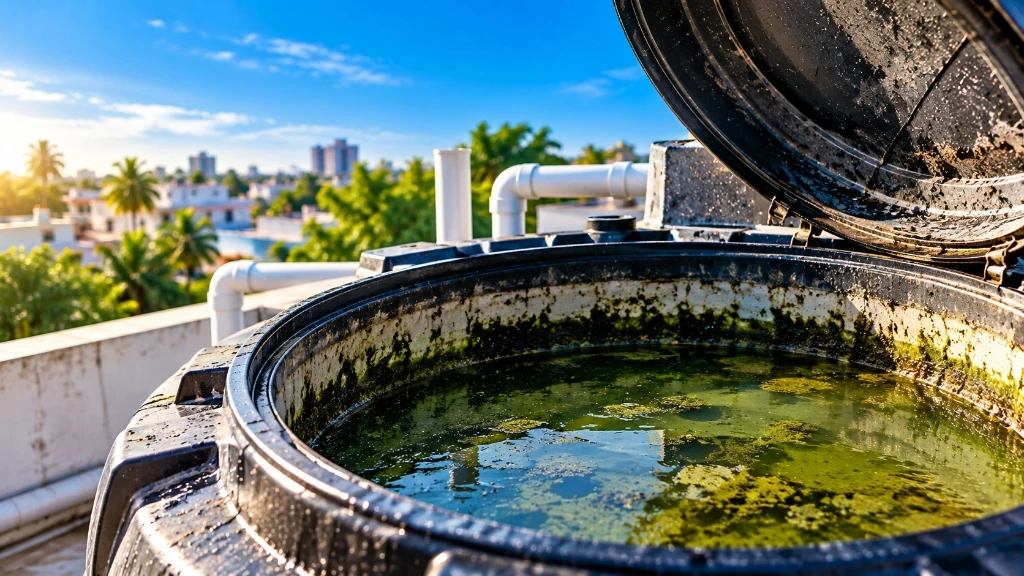
- Silt Behavior: Water pumped up from the sump carries finer suspended particles that settle gradually on the tank bottom. Due to roof heat and sunlight exposure, overhead plastic tanks are also more vulnerable to internal wall slime or algae growth if lids become loose or compromised.
- Drainage: Overhead units generally feature a bottom drain valve, allowing dirty water to be directed toward roof drainage channels during servicing.
Confined Space Safety: Never Attempt DIY Entry
Underground sumps and large overhead tanks represent confined spaces with restricted openings, poor natural airflow, slippery floor surfaces, and potentially hazardous atmospheres.
Crucial Safety Warning: Homeowners and building staff should never climb inside an underground sump or deep overhead tank without professional equipment, proper ventilation, and buddy monitoring. Inhaling stagnant gasses, slipping on wet slime, or becoming trapped in an enclosed chamber carries severe physical hazards. Routine cleaning and interior scrubbing should always be managed by trained service providers equipped with appropriate extraction pumps and safety protocols.
Key Considerations When Planning Sump Cleaning
When coordinating underground sump maintenance for your home or apartment building, keep these operational factors in mind:
- Water Consumption Timing: Coordinate your cleaning appointment when the sump level is naturally low. Using up existing water for gardening, washing, or daily routines before the appointment avoids wasting usable stored water.
- Discharge and Drainage Route: Identify where pumped-out silt and muddy rinse water can be safely routed. Most residential properties guide discharge into storm gutters or external drainage channels.
- Power Access: Submersible dewatering pumps and extraction equipment require an active 230V electrical power socket within reasonable reach of the sump mouth.
- Manhole Opening and Clear Area: Ensure parked vehicles, storage items, and heavy flowerpots are cleared away from the sump lid before technicians arrive.
Overhead Tank Service Considerations
Rooftop tanks introduce distinct logistical factors:
- Rooftop Access Safety: Technicians must have safe, unhindered access to the roof via internal stairs, external iron ladders, or hatchways. If ladder access is unstable or slippery, inform the service provider during your initial phone discussion.
- Plumbing Isolation: Before cleaning begins, the outlet valve leading to the household internal plumbing must be securely closed. This prevents agitated silt and scrubbing residue from entering tap lines, geysers, or water filters.
- Lid Condition Inspection: After cleaning, the tank lid must be securely fastened. If the existing plastic threaded cover is broken, warped, or missing, plan to replace it promptly to prevent dust, leaves, and insects from contaminating freshly cleaned surfaces.
Coordinating Combined Sump and Tank Cleaning
For optimal results, residential property owners in Champapet often choose to clean both the underground sump and overhead tanks on the same day. Servicing the sump first prevents freshly cleaned overhead tanks from being refilled with sediment-heavy sump water.
When you contact Vijaya Water Tank Cleaning Services, let us know whether your property requires sump cleaning, overhead tank cleaning, or a combined service. Call us or submit an enquiry to discuss your tank specifications and check our current scheduling availability in Champapet.
Need Professional Tank Cleaning in Champapet?
Vijaya Water Tank Cleaning Services handles overhead tanks, underground sumps, residential setups, and commercial properties across Champapet. Contact our team to discuss your capacity, site access, and schedule a cleaning visit.