
Article Outline
- › Step 1: Gather Accurate Tank and Property Details
- › Step 2: Manage Existing Water Levels
- › Step 3: Inform Household Members and Building Occupants
- › Step 4: Prepare Physical Access and Utilities
- › Step 5: Confirm Scope and Post-Cleaning Verification
- › Schedule Your Cleaning with Vijaya in Champapet
Scheduling a water tank cleaning appointment is a straightforward way to maintain domestic water storage hygiene. Taking a few simple preparation steps before the cleaning team arrives ensures the appointment proceeds smoothly, safely, and with minimal interruption to your household or building occupants.
Here is a practical, step-by-step checklist to guide your preparation from initial booking through service completion.
Step 1: Gather Accurate Tank and Property Details
When you first call or submit an enquiry to schedule cleaning, having specific details ready allows the service team to provide an accurate estimate and bring the appropriate dewatering pumps and hose lengths:
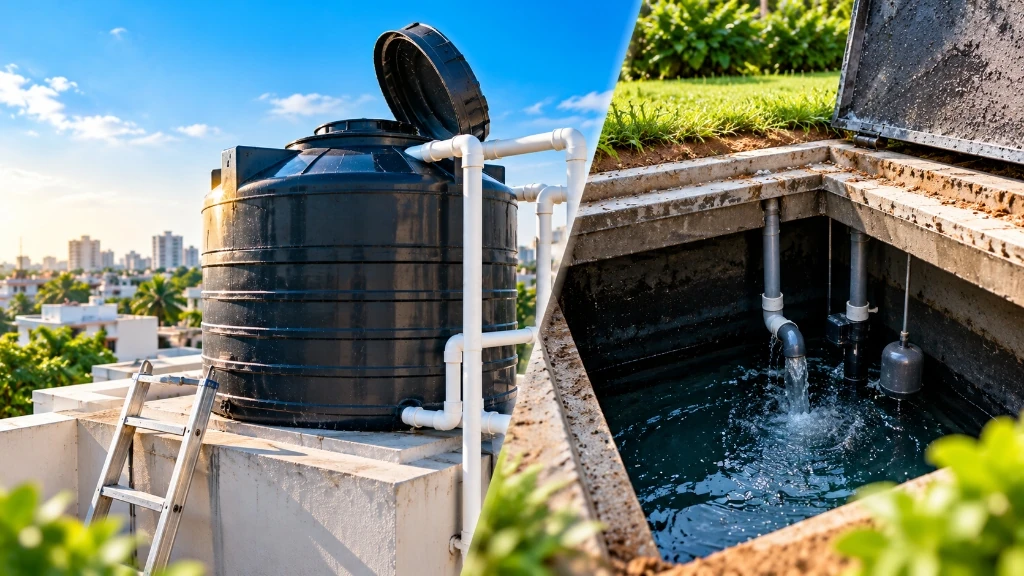
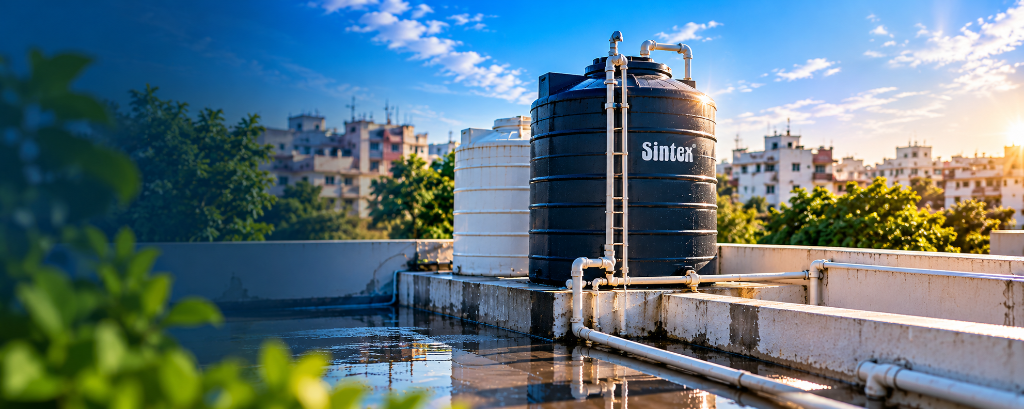
- Storage Type: Identify whether you need cleaning for a rooftop overhead tank (plastic Sintex, RCC, or masonry), an underground sump, or both.
- Approximate Capacity: Note the nominal volume of each unit (e.g., 500 litres, 1,000 litres, 2,000 litres, 5,000 litres, or multi-thousand-litre apartment sumps).
- Physical Material: Let the team know if the tank is molded polyethylene, concrete, brickwork, or stainless steel.
- Access Route: Mention if rooftop access requires an external ladder, steep iron rungs, or access through an interior staircase.
Step 2: Manage Existing Water Levels
Draining thousands of litres of usable water is unnecessary and wasteful. With a little advance planning, you can minimize water loss:
- Calculate Timing: Plan the cleaning day when your tank or sump is naturally scheduled to reach a low water level.
- Turn Off Inflow Pumps in Advance: Switch off automatic water level controllers or manual booster pumps 12 to 24 hours before the appointment so your family uses up remaining stored water for regular utility tasks.
- Keep Emergency Buckets: Store two or three buckets of clean water in your bathrooms or kitchen for essential handwashing and sanitation during the service window.
Step 3: Inform Household Members and Building Occupants
During the cleaning process, water supply to interior taps, showers, and appliances will be temporarily suspended:
- Residential Homes: Let everyone in your household know that water taps should not be turned on while the service is in progress to prevent air locks or drawing agitated sediment into appliance lines.
- Apartment Complexes and RWAs: Send a circular or digital notice to residents at least 24 to 48 hours in advance, detailing the expected service window, temporary water suspension hours, and advice on filling personal domestic containers beforehand.
Step 4: Prepare Physical Access and Utilities
On the morning of the appointment, ensure the physical surroundings are clear:
- Clear the Work Area: Move vehicles, bicycles, loose planters, or storage boxes away from underground sump hatches and rooftop ladders.
- Verify Power Supply: Dewatering pumps and extraction equipment require a standard 230V domestic power socket. Ensure an outdoor outlet or indoor extension point is accessible within reach of the workspace.
- Check Wastewater Outlets: Confirm that nearby rainwater drains, storm gutters, or external drainage channels are clear of debris to handle pumped-out discharge without yard pooling.
Step 5: Confirm Scope and Post-Cleaning Verification
When the cleaning team arrives:
- Reconfirm Agreed Scope: Walk through the specific tanks to be cleaned, confirming whether both sumps and overhead units are being serviced.
- Check Plumbing Valves: Ensure internal supply lines to your house are shut before scrubbing begins.
- Inspect the Clean Surface: Once scrubbing and rinsing are finished, inspect the internal walls and floor with a torch before the tank is refilled. Ensure no loose silt or scrubbing residue remains.
- Fasten Lids Securely: Make sure all inspection covers and manhole lids are firmly secured to protect your clean tank from airborne dust and insects.
Schedule Your Cleaning with Vijaya in Champapet
Planning ahead makes water tank maintenance seamless and hassle-free. If you are located in Champapet or nearby localities and need your overhead tank or underground sump cleaned, contact Vijaya Water Tank Cleaning Services.
Call 082477 35114 or submit an enquiry online with your tank details to discuss availability and schedule your next service.
Need Professional Tank Cleaning in Champapet?
Vijaya Water Tank Cleaning Services handles overhead tanks, underground sumps, residential setups, and commercial properties across Champapet. Contact our team to discuss your capacity, site access, and schedule a cleaning visit.